

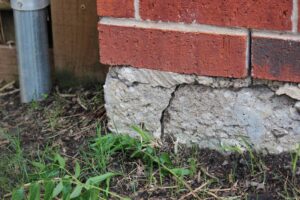
 Climate change cannot be dismissed as merely an urgent environmental issue; it acts as an immediate capital expenditure problem for residential rental property investors. Volatile weather fluctuations, escalating severities of environmental shock events, and relentless seasonal stress on buildings are permanently hiking long-term maintenance expenses. The climate’s impact on rentals today is accelerating wear on roofs, HVAC systems, foundations, and exteriors, making climate-related maintenance a crucial practice for protecting your property and adaptively planning for the future.
Climate Impact on Rentals & Why Investors Can’t Ignore the Shift
For many decades, preventative rental property maintenance followed remarkably predictable patterns. This applies directly to seasonal maintenance, which operators finished at nearly the exact same time each year. Today, those baseline structures are morphing swiftly, alongside our macro climate. Extreme weather and localized climate shifts are actively changing how often rental properties need repairs, how long major systems can last, and how much investors must budget for regular upkeep.
Clearly, the most overwhelming factor of this issue is that the climate impact real estate portfolios face isn’t restricted to an isolated major emergency. It takes shape through cumulative stress over time: steadily hotter summers, larger downpours, stronger storms, and swinging cold-season temperatures that gradually but consistently cause increased wear and maintenance costs.
To modern rental property owners, this environment means:
- Shorter replacement cycles for fundamental property infrastructure
- A vital mandate for frequent inspections and preventative repairs
- Substantial long-term operating expenses (if strategic adjustments are skipped)
Regrettably, ignoring changing climate trends can quietly deplete a portfolio’s profitability as time moves on. For this reason, professional landlords must start coordinating today to mitigate the impact our changing climate will have on their bottom lines.
Key Climate-Driven Maintenance Challenges
When considering how climate and the environment impact rental properties, it becomes clear that property exteriors bear the initial brunt, showing obvious signs of increasing wear. Of equal concern is how core operational machinery is exposed to worsening climate change trends. A few of the key maintenance challenges that property owners must understand include:
- Heavier Rainfall and Flood Risk: Increased rainfall delivers heavy burdens onto shingles, guttering, land grading, and concrete footers. Buildings positioned completely outside traditional floodplains can still experience chronic moisture intrusion, resulting in mildew outbreaks, wood decay, and serious structural concerns that heavily compound maintenance costs.
- Rising Temperatures and Heat Stress: HVAC systems to work longer and harder. Exterior finishes, weather stripping, and roofing shingles similarly decay rapidly due to prolonged heat and UV exposure, pushing up the frequency of building replacements and repairs.
- Colder Extremes and Freeze-Thaw Cycles: repeated freeze-thaw cycles. In regions prone to volatile winter weather, sharp shifts in temperature generate repeated freeze-thaw cycles. This movement fractures concrete walkways, compromises masonry, and leaves properties vulnerable to frozen or burst pipes—events that are invariably costly and disruptive.
- Increased Storm Intensity and Wind Damage: Stronger storms create a substantial threat of displaced siding, shattered glass, broken fences, and uprooted trees. Even when insurance covers major events, high deductibles and out-of-pocket fixes continue to hinder net cash reserves.
On account of these and adjacent climate-related events, the growing stress of climate change speeds up normal wear and tear while shortening the overall aging process of building materials. Shingles fail early, exterior facade paint peels rapidly, and heavy mechanical systems reach their ultimate operational limits much faster than anticipated.
Eventually, this accelerated wear compounds costs. What once required maintenance every 10 to 15 years may now need attention much sooner, affecting long-term budgeting and portfolio investment return metrics.
Real Estate Climate Upkeep Strategies That Protect ROI
Operating in a climate-stressed environment, standard negligence followed by rushed repair and maintenance inevitably morphs into something far more expensive. Emergency repairs, weekend contractor premiums, and tenant evacuation costs all bundle hidden costs that impact returns.
Preventive maintenance, conversely, introduces operational predictability. By neutralizing small maintenance faults early, individual real estate investors can extend and stabilize operating expenses despite changing conditions.
To be exact, an analytical posture regarding climate maintenance in real estate values structural endurance and early intervention. For this very reason, top-tier syndications are regularly choosing:
- Accelerated frequent inspections of high-risk assets
- Climate-specific materials and upgrades
- Reengineered drainage, ventilation, and insulation
- Timely repairs to isolate weather-related system escalation
By deploying these specific rules, property managers can effectively control costs and reduce surprise expenses.
Climate Trends Are a Maintenance Reality, Not a Future Problem
The climate-related impact on rental properties is actively accelerating long-term maintenance costs. Property syndicates who confront this fundamental transition immediately and line up capital budgets accordingly will achieve an ideal setup to protect and preserve the value and cash flows of their assets. We see this because climate-aware maintenance is a vital risk-mitigation tool, not a selective preference.
Choosing Real Property Management Diablo Valley ensures your maintenance oversight responds directly to modern extreme weather events instead of yesterday’s models. Regional local experts in San Ramon and adjacent areas are prepared to step in. Contact us online anytime or call 925-658-5755 to review how our custom, climate-aware maintenance approaches assist rental property investors with resilient portfolio scaling.
This content is provided for general informational and educational purposes only and does not constitute financial, legal, tax, or investment advice. Readers should consult with licensed professionals regarding their specific circumstances.
We are pledged to the letter and spirit of U.S. policy for the achievement of equal housing opportunity throughout the Nation. See Equal Housing Opportunity Statement for more information.
